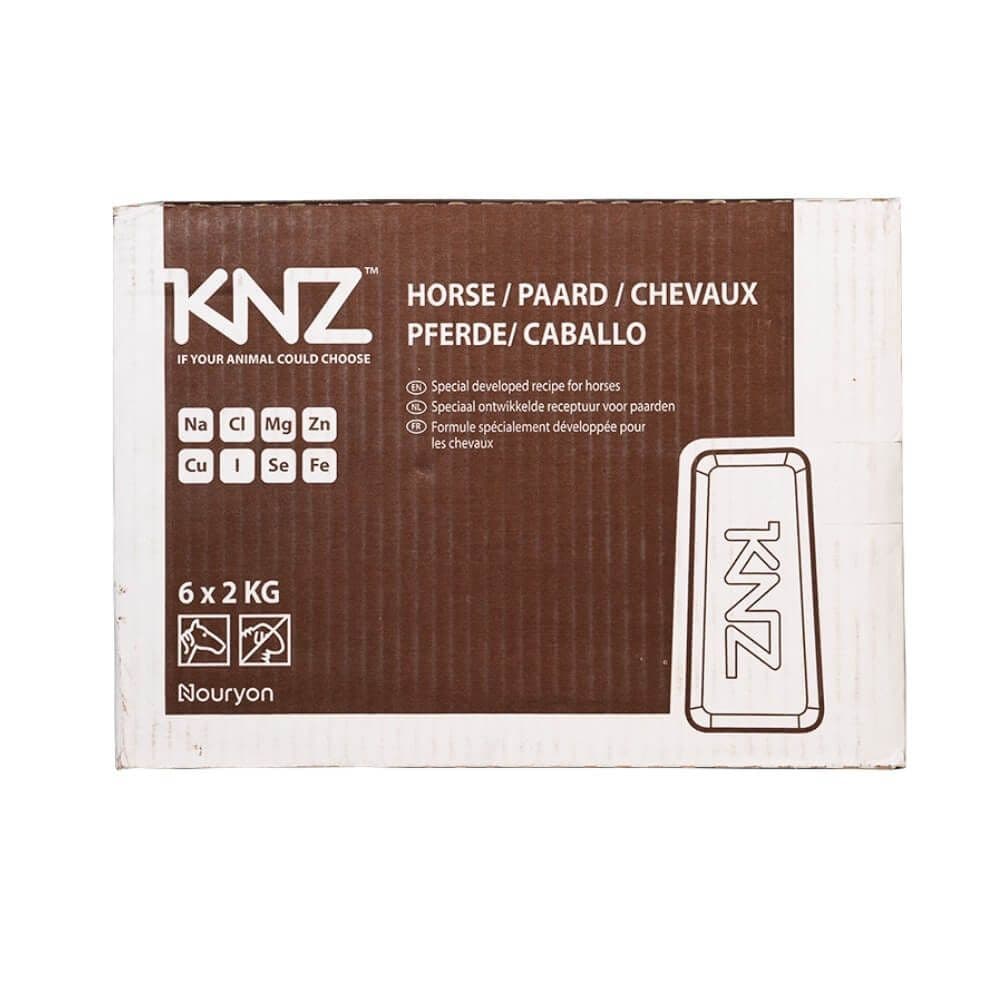
KNZ Liksteen paardGA803
Prijs per: 2 kg blok
Natural diet Banteng
Banteng are herbivorous grazers that have a diverse and adaptable diet. Therefore, they can thrive in various habitats including forests, grasslands, and agricultural lands. Their natural diet consists of grasses, leaves, shoots, and fruits. In scarcity, banteng are also known to consume bark, stems, and woody vegetation.



2-4%
If an animal weighs 600 kg and eats 3% of its body weight, it will get
600 x 0,03 = 18 kg feed in total per day
15% Concentrates
65% Grass, alfalfa, roughage
20% Browse
0,15 x 18 kg = 2.700 g concentrates
0,65 x 18 kg = 11.700 g grass, alfalfa, roughage
0,2 x 18 kg = 3.600 g browse
2-4%
If an animal weighs 600 kg and eats 3% of its body weight, it will get
600 x 0,03 = 18 kg feed in total per day
15% Concentrates
65% Grass, alfalfa, roughage
20% Browse
0,15 x 18 kg = 2.700 g concentrates
0,65 x 18 kg = 11.700 g grass, alfalfa, roughage
0,2 x 18 kg = 3.600 g browse
Grass hay
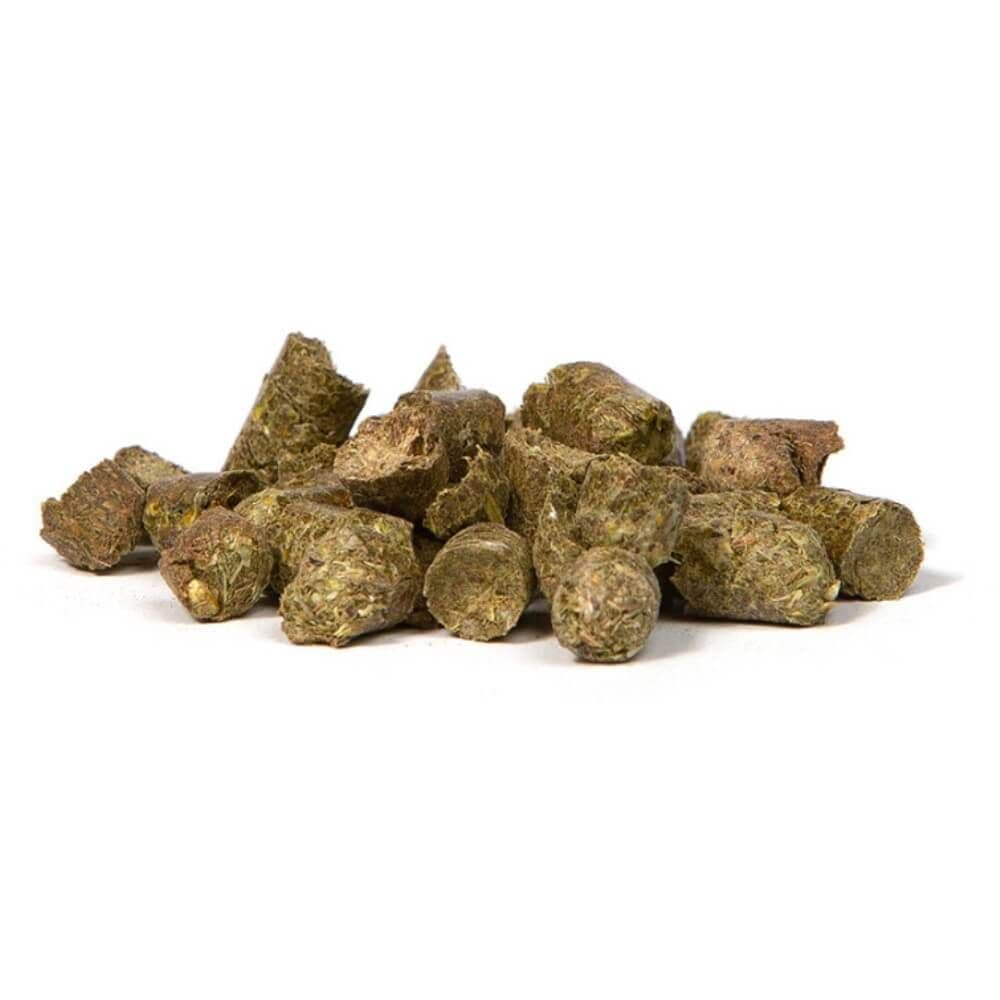
Pellets
Salt lick
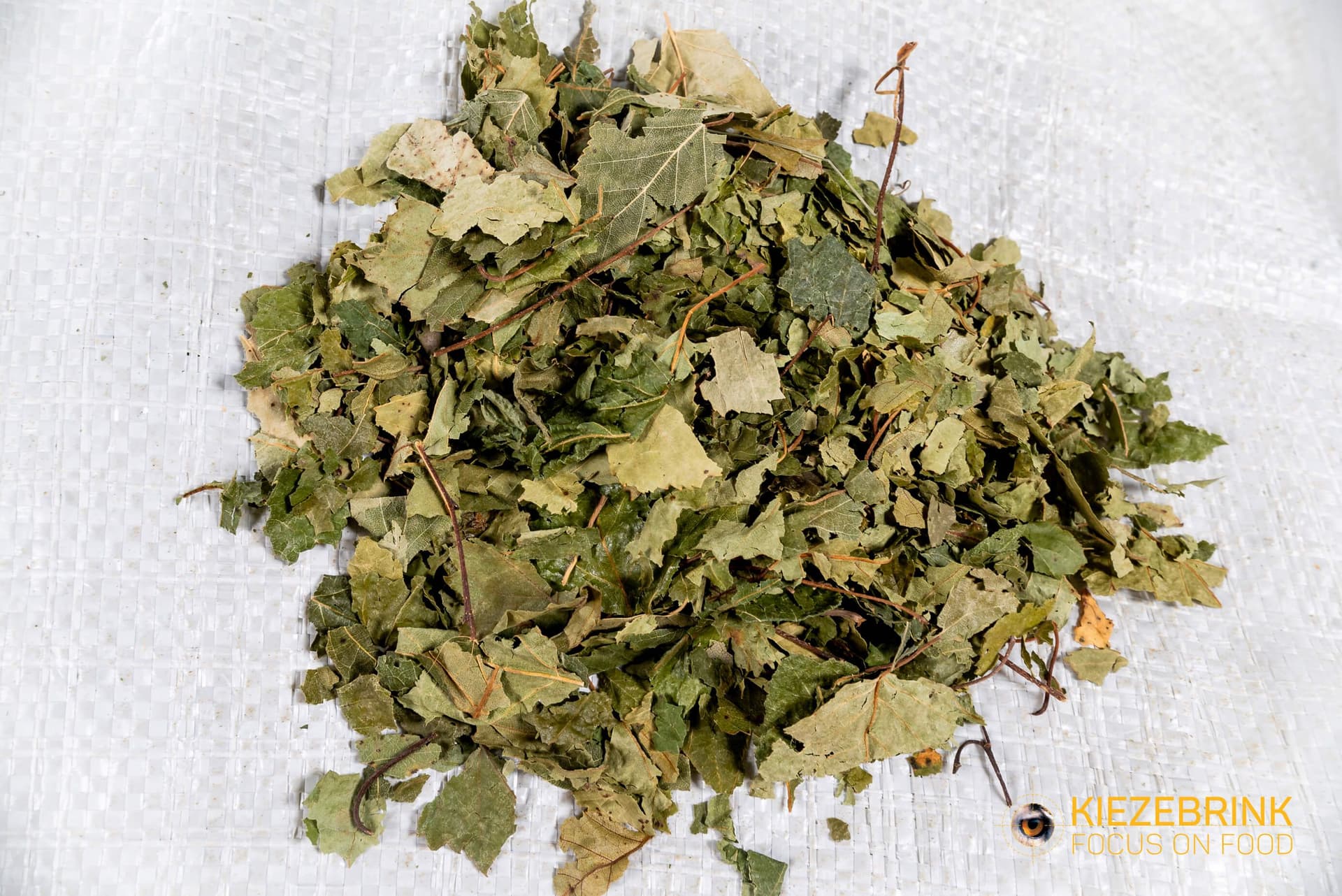
Variety of browse (willow, oak, chestnut or lime)
Fruits
An unbalanced diet may result in one of these more commonly occurring diseases/conditions:
Grass hay
Pellets
Salt lick
Variety of browse (willow, oak, chestnut or lime)
Fruits
An unbalanced diet may result in one of these more commonly occurring diseases/conditions:
Recommended products for this animal