Prijs per: kg
Natural diet Diamondback terrapin
Diamondback terrapins are omnivorous feeders that opportunistically consume a variety of prey items, including small fish, crustaceans and shellfish. Next to this, they consume vegetation such as sea grasses and marsh plants.



2-5%
If an animal weighs 0,3 kg and eats 4% of its body weight, it will get
0,3 x 0,04 = 0,01 kg feed in total per day
60% Insects and other invertebrates
10% Concentrates
30% Leafy greens and cabbages
0,6 x 0,01 kg = 7 g insects and other invertebrates
0,1 x 0,01 kg = 1 g concentrates
0,3 x 0,01 kg = 4 g leafy greens and cabbages
2-5%
If an animal weighs 0,3 kg and eats 4% of its body weight, it will get
0,3 x 0,04 = 0,01 kg feed in total per day
60% Insects and other invertebrates
10% Concentrates
30% Leafy greens and cabbages
0,6 x 0,01 kg = 7 g insects and other invertebrates
0,1 x 0,01 kg = 1 g concentrates
0,3 x 0,01 kg = 4 g leafy greens and cabbages
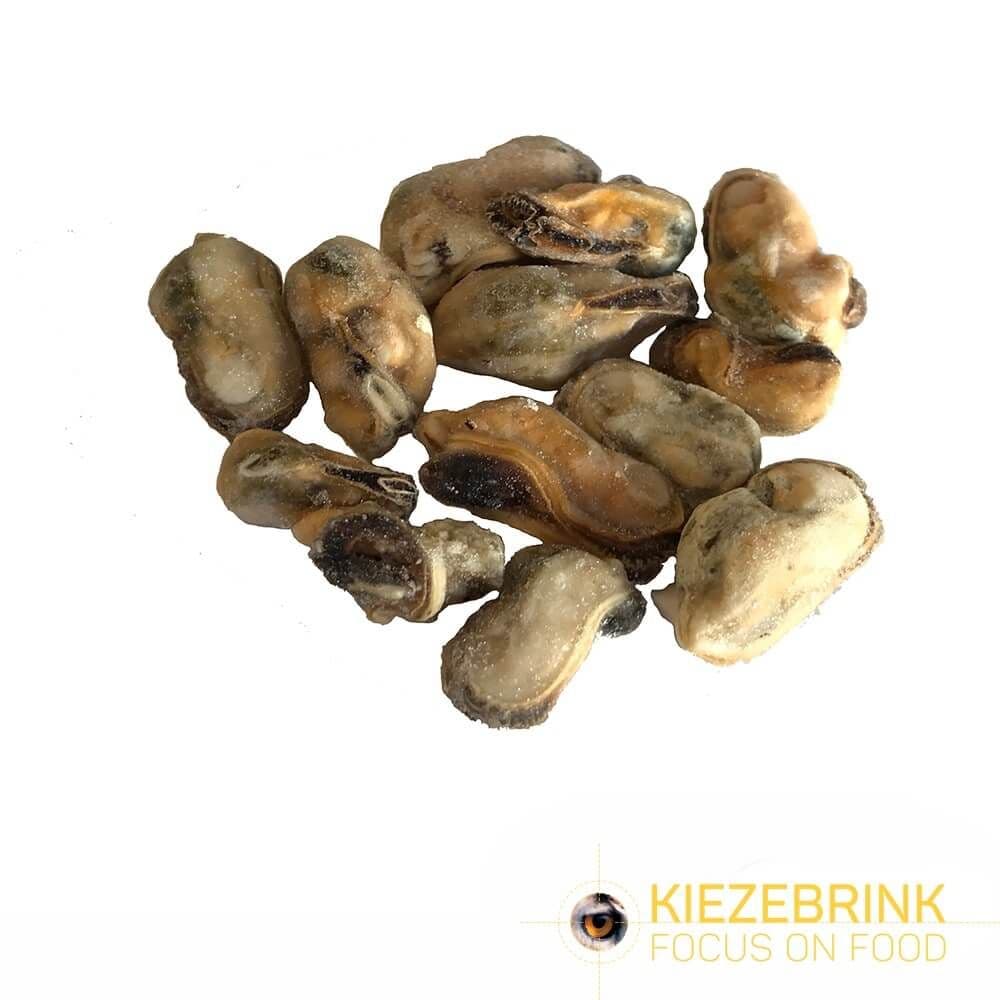
Variety of small fish/ crustaceans
Worms/snails
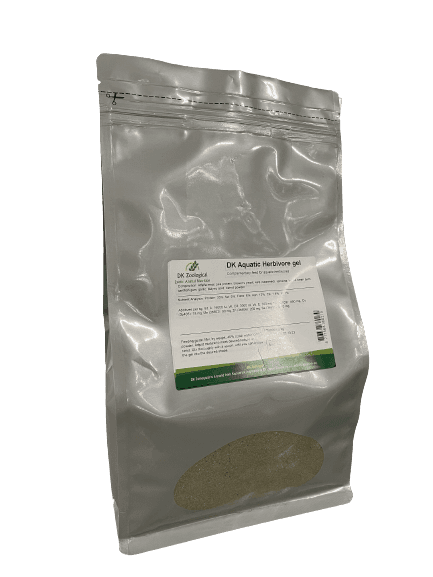
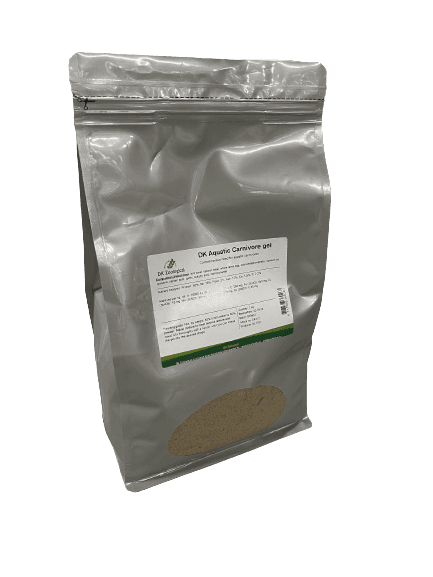
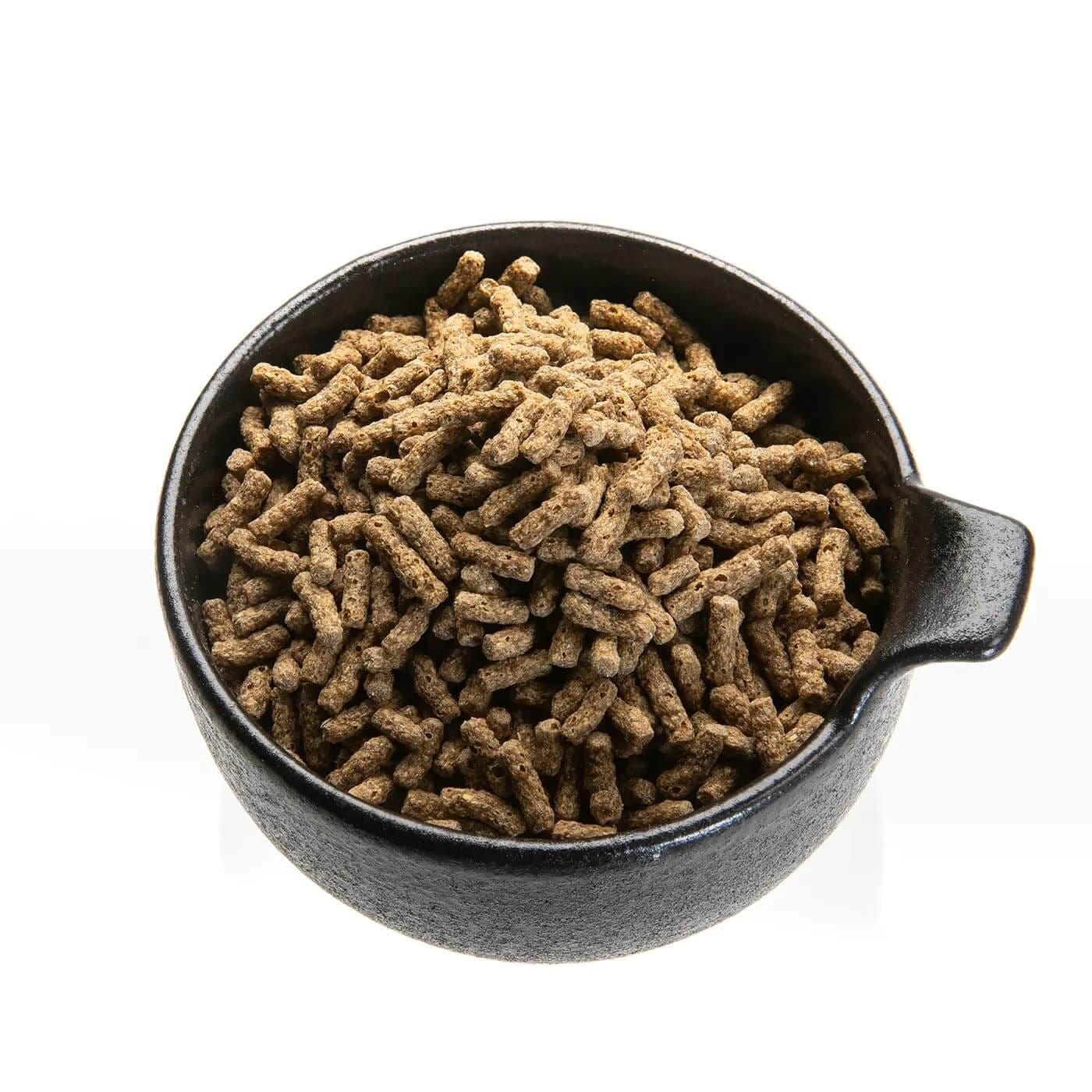
Pellets / gel
Variety of leafy vegetables
Fruits
An unbalanced diet may result in one of these more commonly occurring diseases/conditions:
Variety of small fish/ crustaceans
Worms/snails
Pellets / gel
Variety of leafy vegetables
Fruits
An unbalanced diet may result in one of these more commonly occurring diseases/conditions:
Recommended products for this animal