Prijs per: 100 st./pot
Natural diet Giant otter
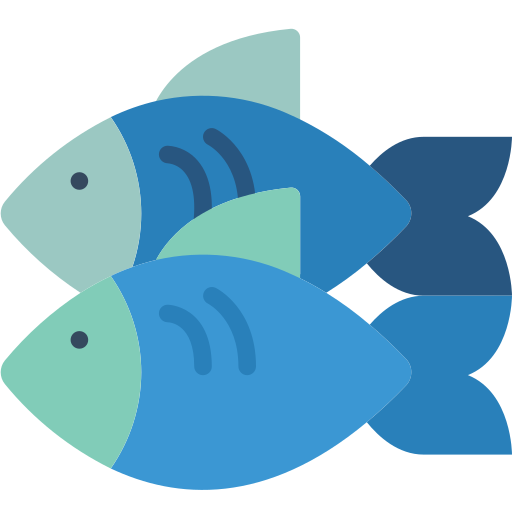
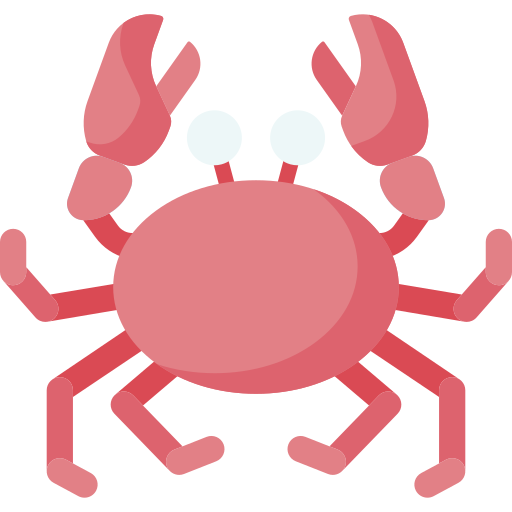
Giant otters are piscivorous carnivores, meaning that they mainly consume fish. If fish are not available, invertebrates such as crabs are also consumed.

10%
If an animal weighs 24 kg and eats 10% of its body weight, it will get
24 x 0,1 = 2,4 kg feed in total per day
99% Fish products
1% Supplements
0,99 x 2,4 kg = 2.376 g fish products
0,01 x 2,4 kg = 24 g supplements
10%
If an animal weighs 24 kg and eats 10% of its body weight, it will get
24 x 0,1 = 2,4 kg feed in total per day
99% Fish products
1% Supplements
0,99 x 2,4 kg = 2.376 g fish products
0,01 x 2,4 kg = 24 g supplements
Variety of fish
Supplements
Oily fish
An unbalanced diet may result in one of these more commonly occurring diseases/conditions:
Variety of fish
Supplements
Oily fish
An unbalanced diet may result in one of these more commonly occurring diseases/conditions:
Recommended products for this animal