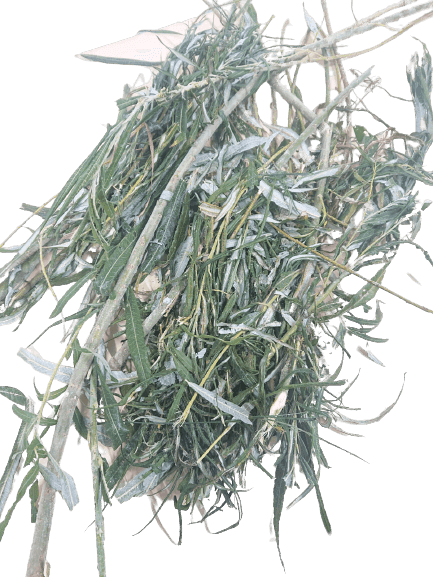
Price per: kg
Natural diet Brown-headed spider monkey
Brown-headed spider monkeys are herbivorous primates that prefer ripe fruits and leaves. Besides this, they also eat seeds and occasionally bark and insects.




10-15%
If an animal weighs 7 kg and eats 15% of its body weight, it will get
7 x 0,15 = 1,05 kg feed in total per day
2% Insects and other invertebrates
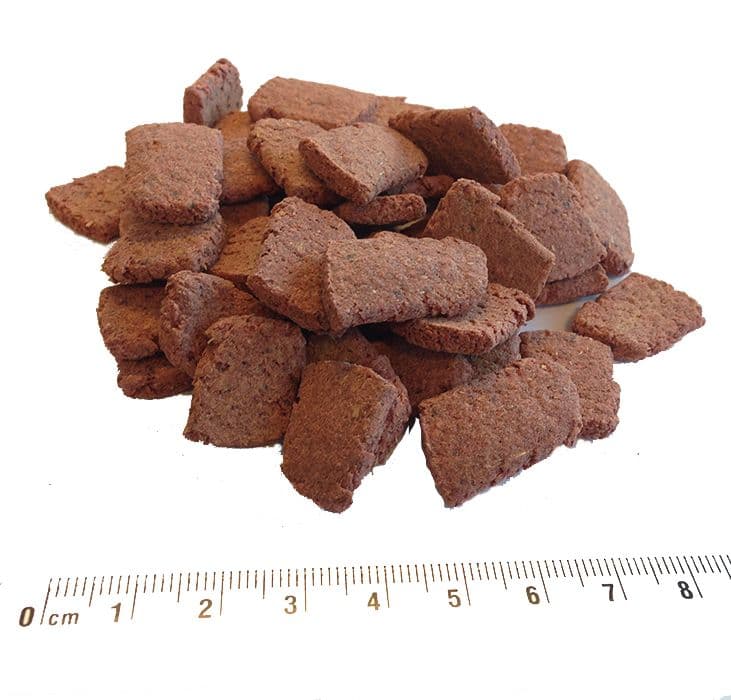
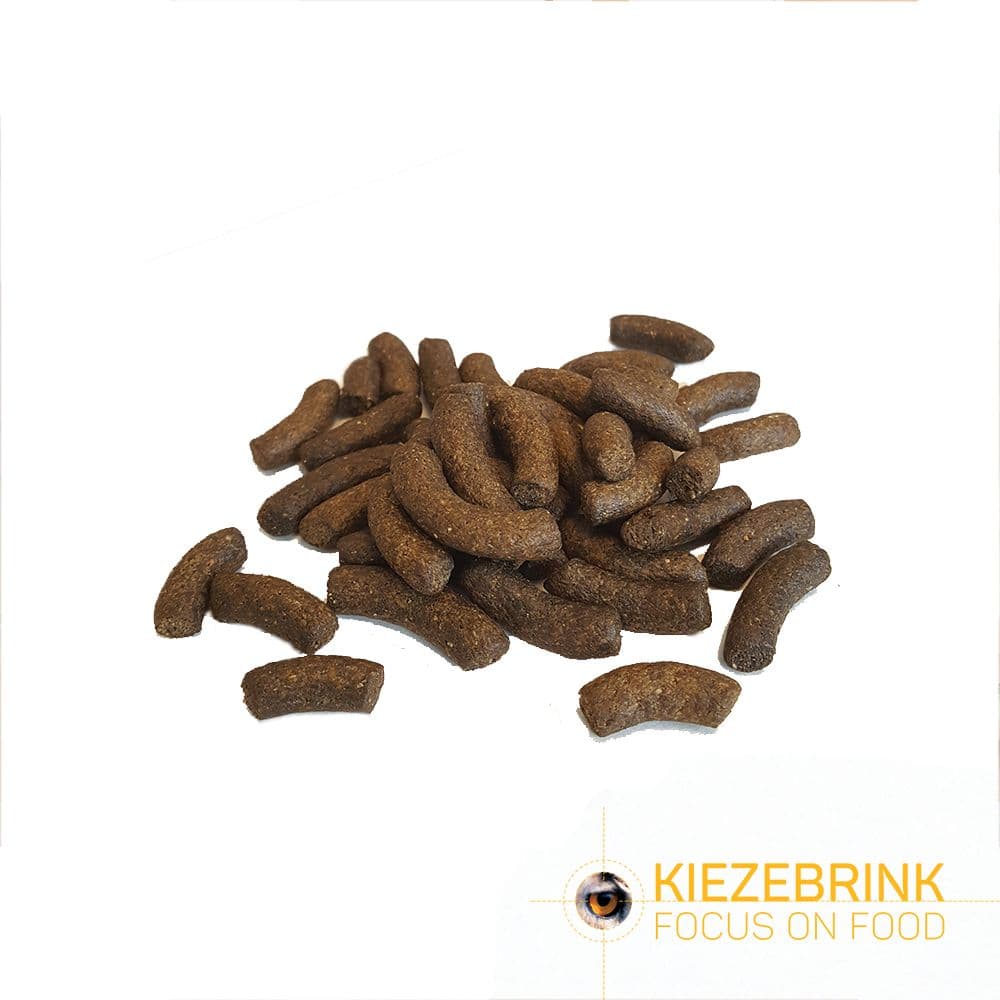
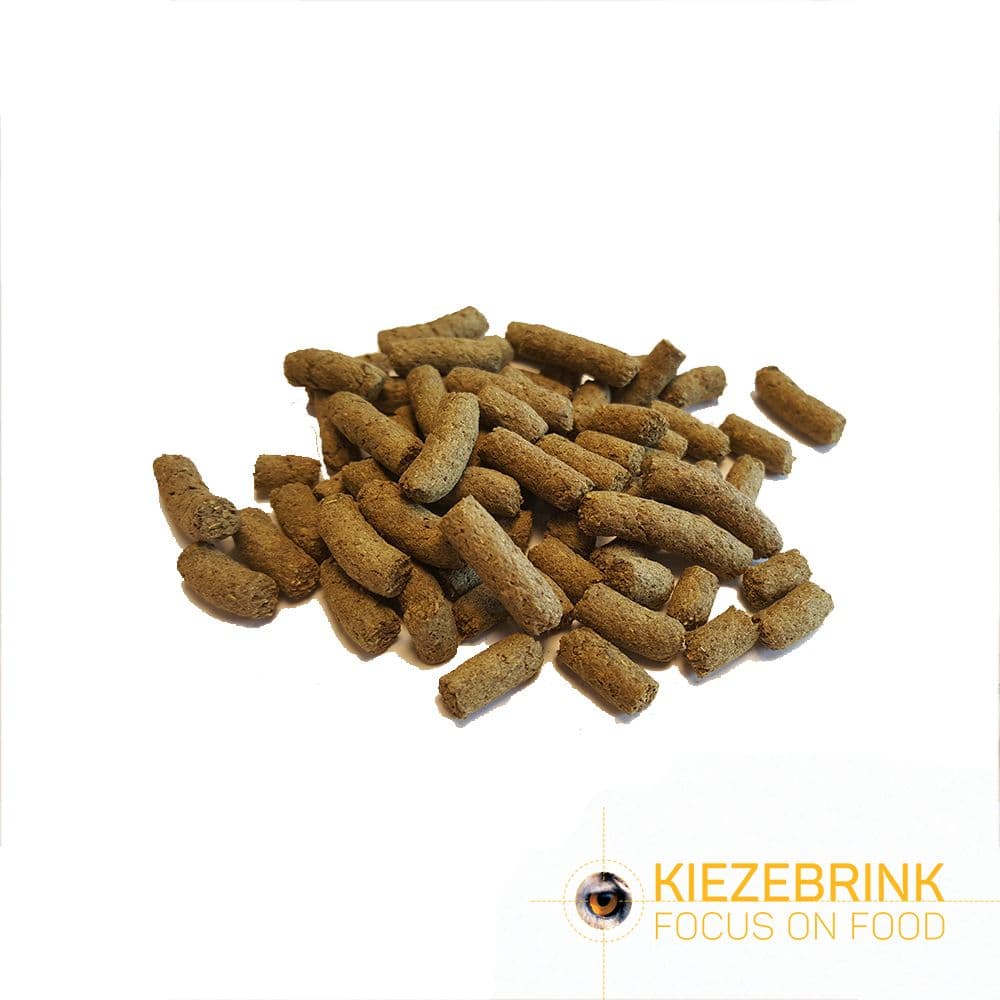
10% Concentrates
40% Leafy greens and cabbages
30% Other vegetables
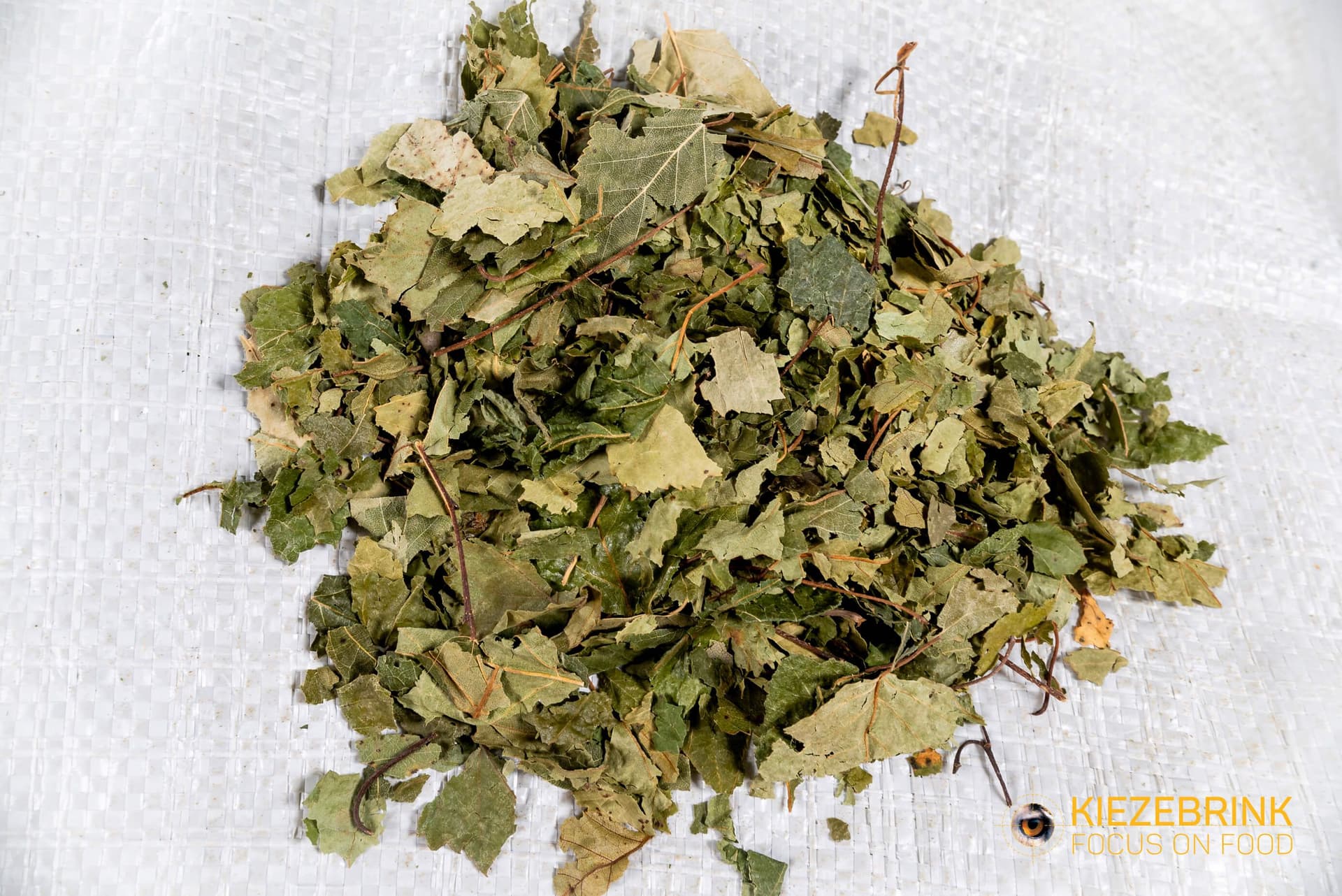
10% Browse
8% Other
0,02 x 1,05 kg = 21 g insects and other invertebrates
0,1 x 1,05 kg = 105 g concentrates
0,4 x 1,05 kg = 420 g leafy greens and cabbages
0,3 x 1,05 kg = 315 g other vegetables
0,1 x 1,05 kg = 105 g browse
0,08 x 1,05 kg = 84 g other
10-15%
If an animal weighs 7 kg and eats 15% of its body weight, it will get
7 x 0,15 = 1,05 kg feed in total per day
2% Insects and other invertebrates
10% Concentrates
40% Leafy greens and cabbages
30% Other vegetables
10% Browse
8% Other
0,02 x 1,05 kg = 21 g insects and other invertebrates
0,1 x 1,05 kg = 105 g concentrates
0,4 x 1,05 kg = 420 g leafy greens and cabbages
0,3 x 1,05 kg = 315 g other vegetables
0,1 x 1,05 kg = 105 g browse
0,08 x 1,05 kg = 84 g other
Variety of vegetables
Variety of leafy and green vegetables
Variety of browse (willow, aspen, birch, rowan)
Insects
Fruits
An unbalanced diet may result in one of these more commonly occurring diseases/conditions:
Variety of vegetables
Variety of leafy and green vegetables
Variety of browse (willow, aspen, birch, rowan)
Insects
Fruits
An unbalanced diet may result in one of these more commonly occurring diseases/conditions:
Recommended products for this animal