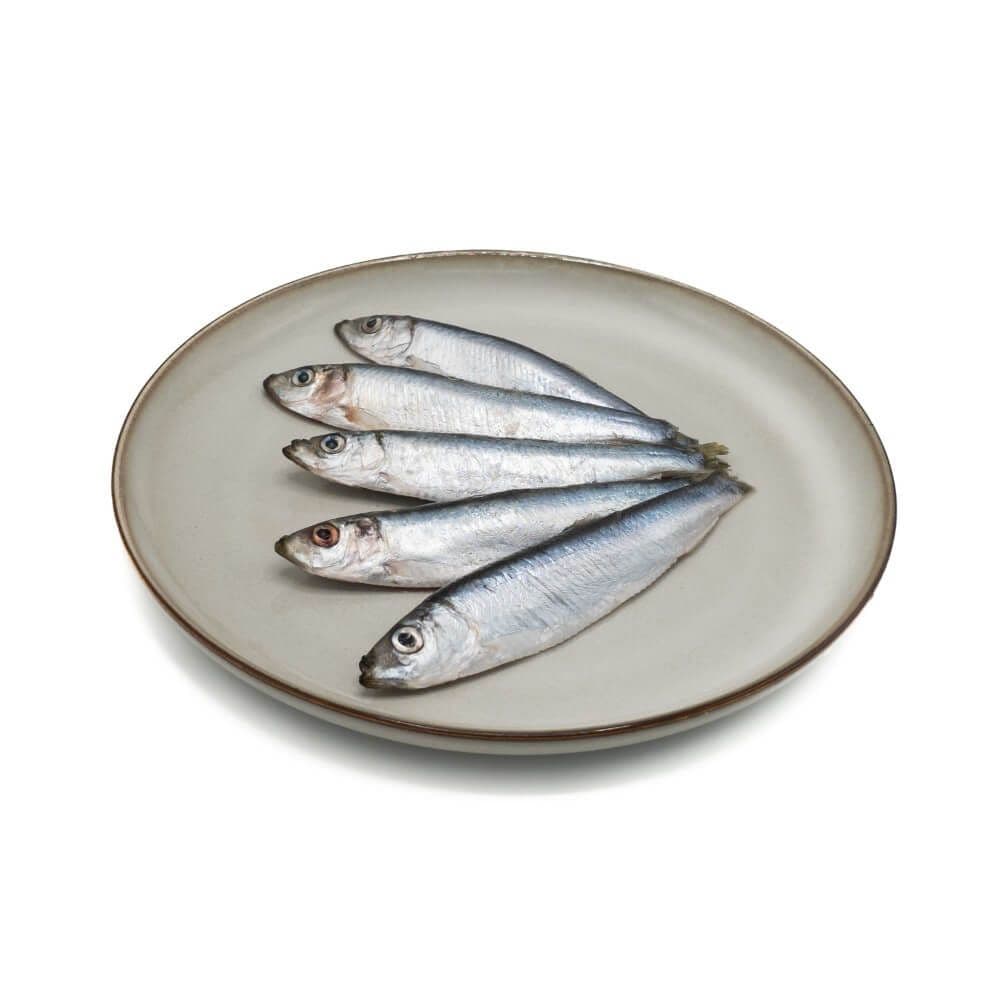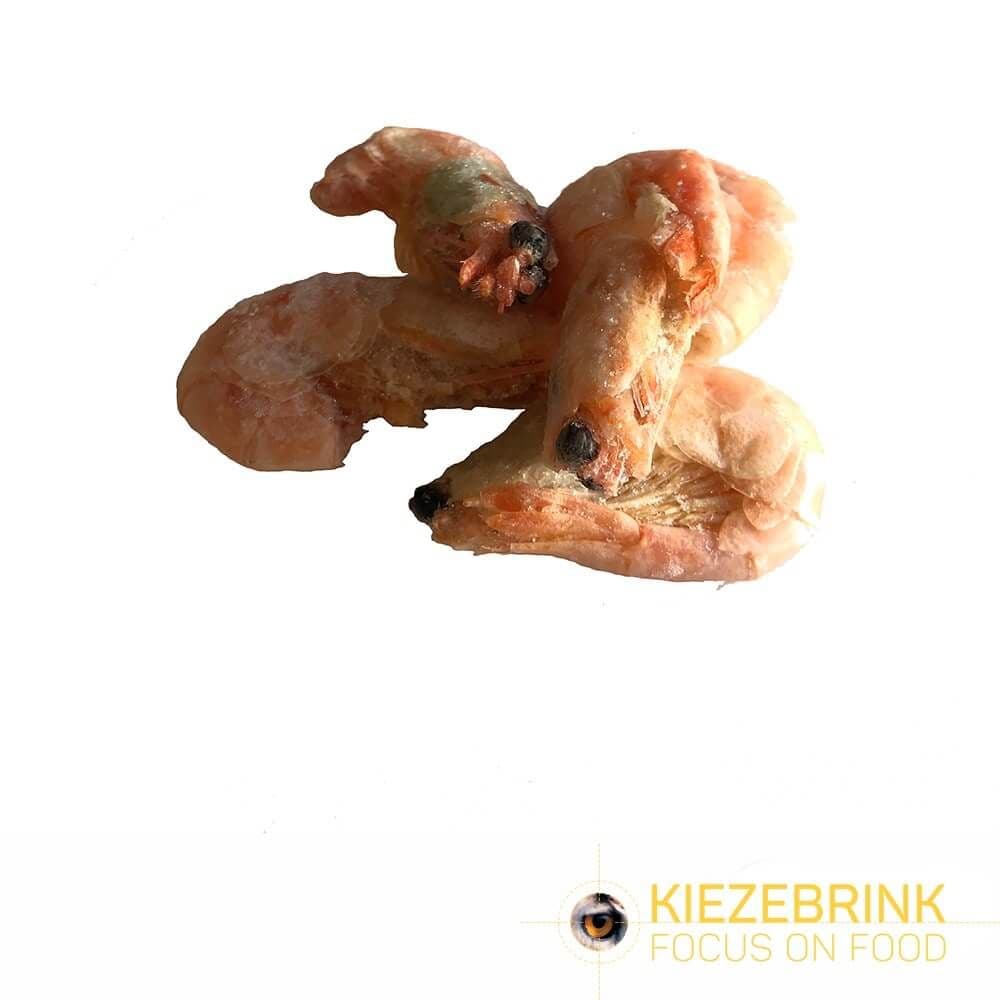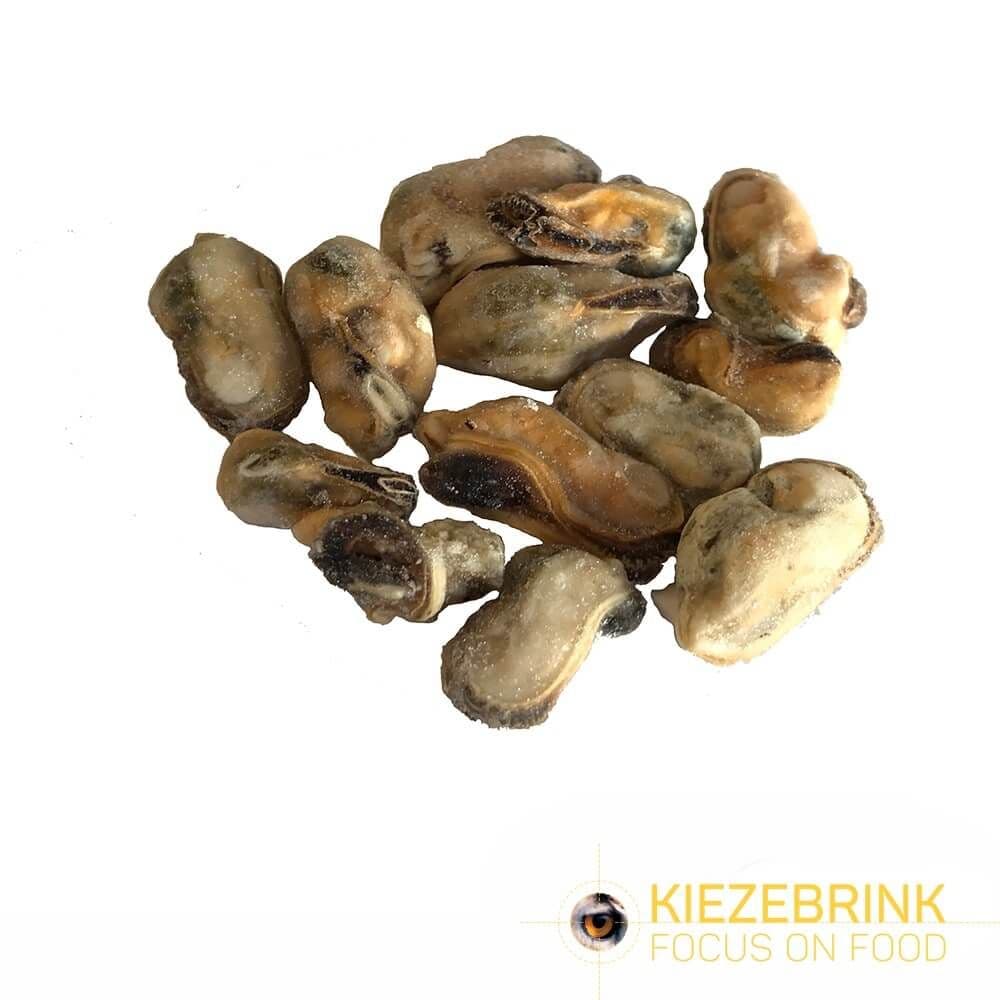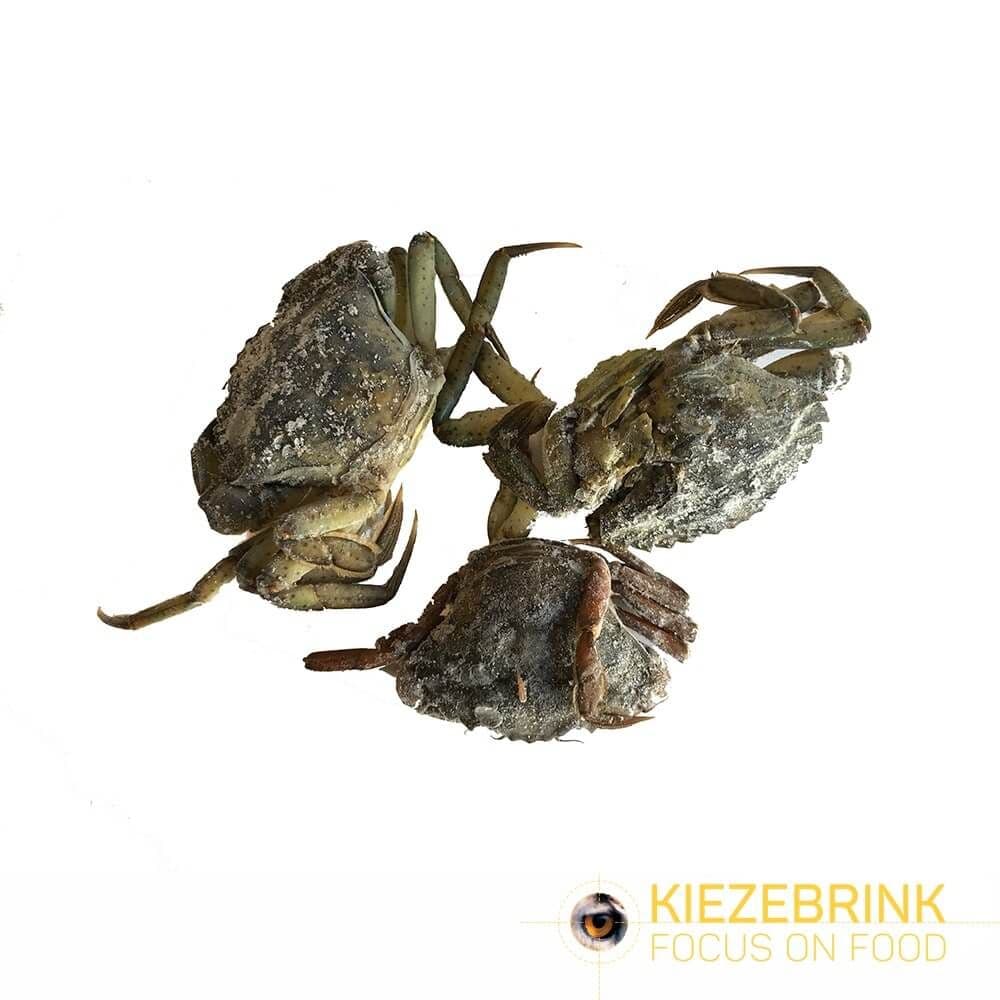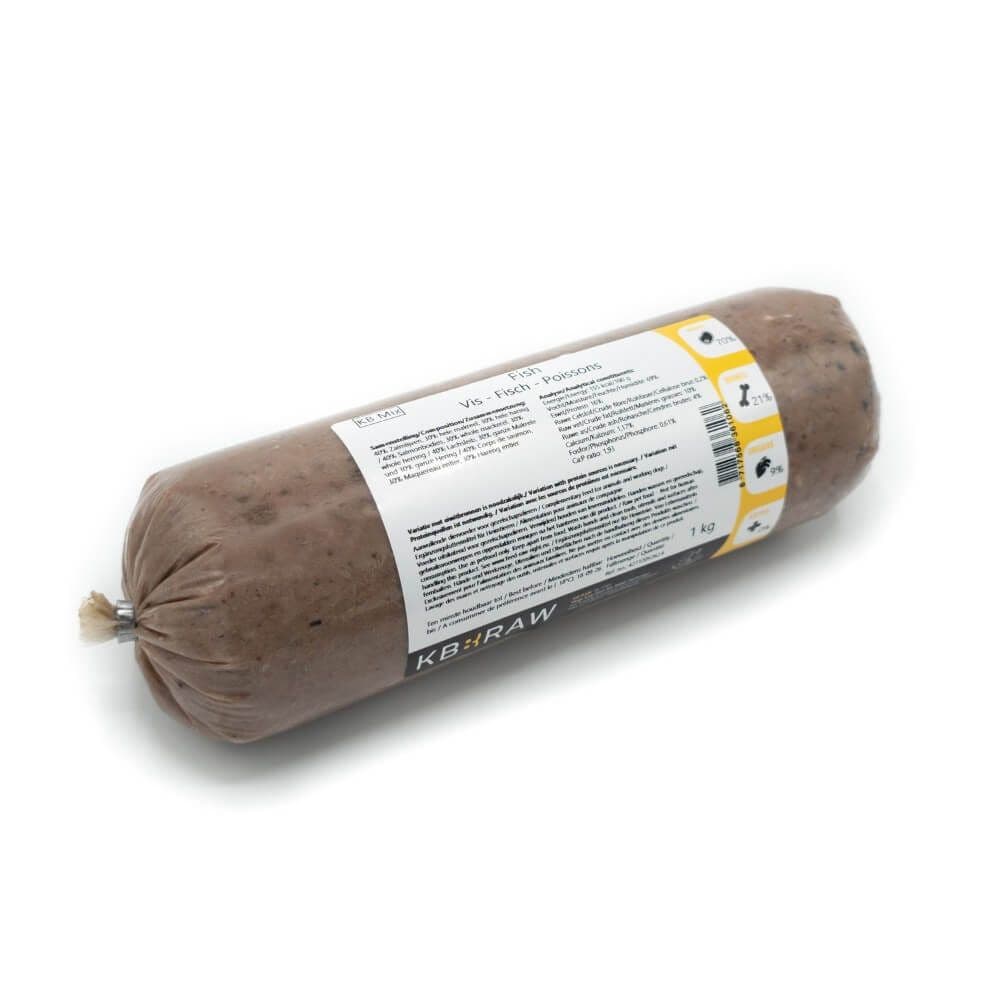
KB Mix - Fish20022
Price per: 10 x 1 kg sausage
Natural diet Oriental small-clawed otter
The oriental small-clawed otter is a carnivore that mainly feeds on fish, squids, crabs and other crustaceans. Foraging is done in shallow water or at the shoreline. Their teeth are well suited for a varied diet including small bones and shells.


10%
If an animal weighs 3 kg and eats 10% of its body weight, it will get
3 x 0,1 = 0,3 kg feed in total per day
39% Meat and whole prey
60% Fish products
1% Supplements
0,39 x 0,3 kg = 117 g meat and whole prey
0,6 x 0,3 kg = 180 g fish products
0,01 x 0,3 kg = 3 g supplements
10%
If an animal weighs 3 kg and eats 10% of its body weight, it will get
3 x 0,1 = 0,3 kg feed in total per day
39% Meat and whole prey
60% Fish products
1% Supplements
0,39 x 0,3 kg = 117 g meat and whole prey
0,6 x 0,3 kg = 180 g fish products
0,01 x 0,3 kg = 3 g supplements
Variety of fish
Variety of meat (whole carcass foods e.g. mice and chicks)
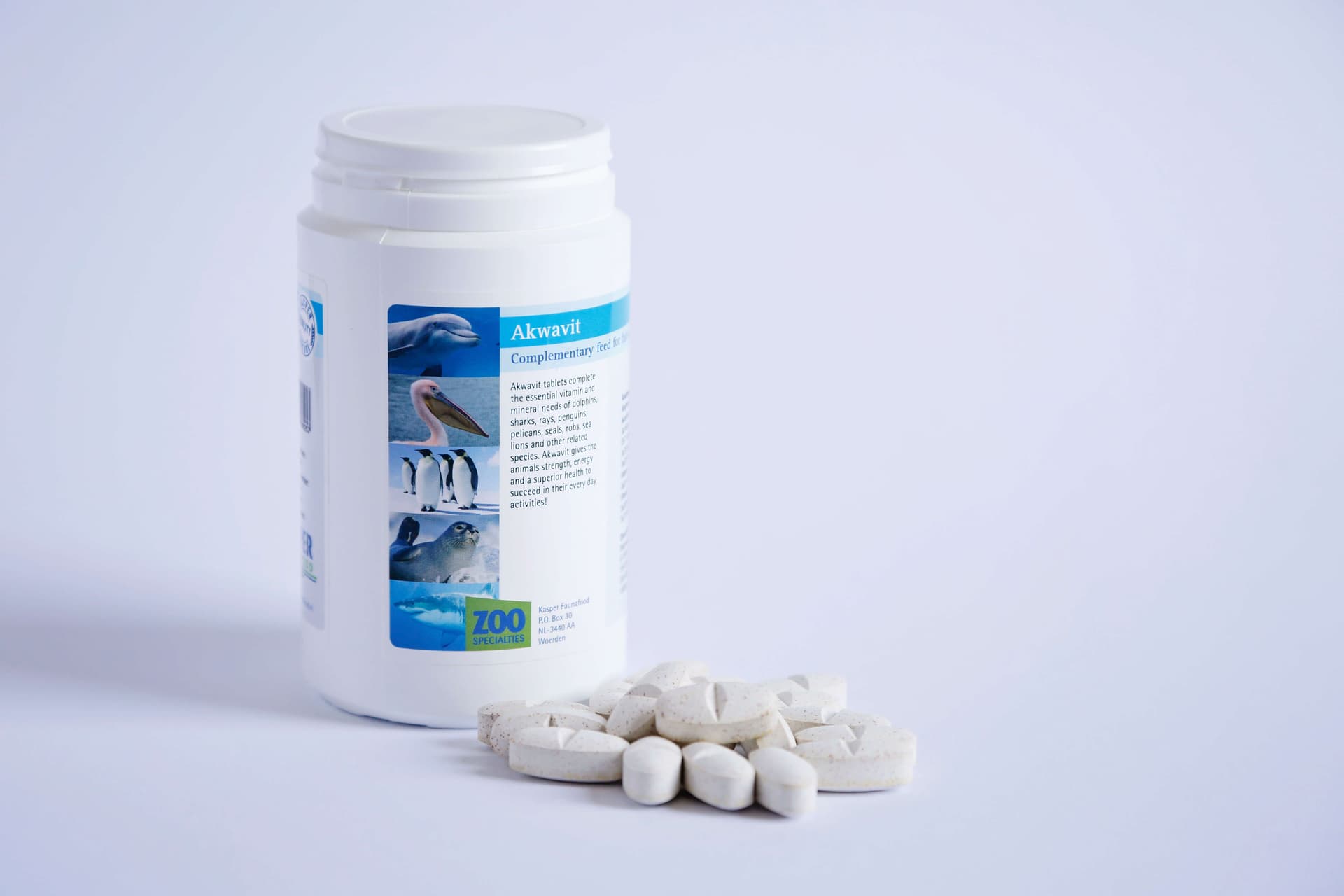
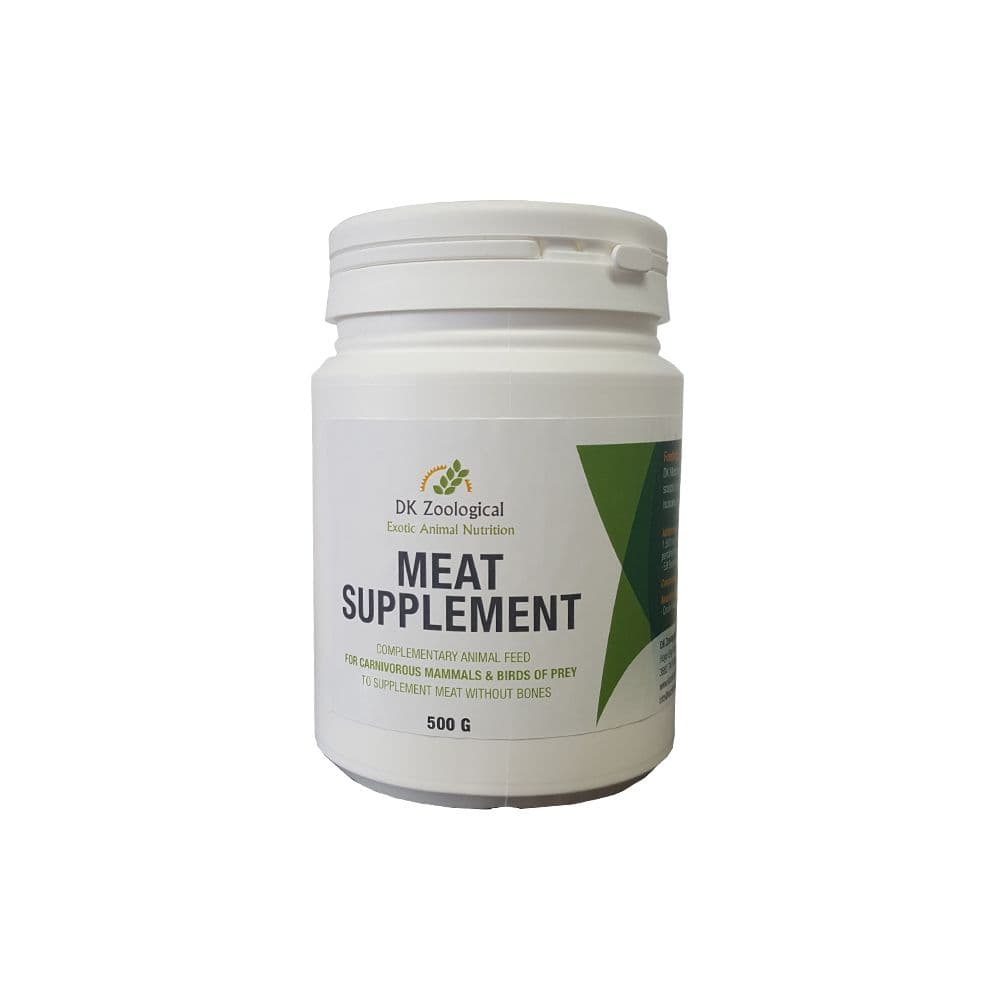
Supplements
Oily fish
An unbalanced diet may result in one of these more commonly occurring diseases/conditions:
Variety of fish
Variety of meat (whole carcass foods e.g. mice and chicks)
Supplements
Oily fish
An unbalanced diet may result in one of these more commonly occurring diseases/conditions:
Recommended products for this animal