Price per: kg
Natural diet Pudu
Pudus are herbivorous browsers that primarily consume leaves of ferns, trees, vines, herbs and shrubs. They prefer feeding around forest edges or fragmented environments, as they are abundant with smaller plants like saplings and forbs.



5-10%
If an animal weighs 8 kg and eats 10% of its body weight, it will get
8 x 0,1 = 0,8 kg feed in total per day
20% Concentrates
30% Leafy greens and cabbages
50% Browse
0,2 x 0,8 kg = 160 g concentrates
0,3 x 0,8 kg = 240 g leafy greens and cabbages
0,5 x 0,8 kg = 400 g browse
5-10%
If an animal weighs 8 kg and eats 10% of its body weight, it will get
8 x 0,1 = 0,8 kg feed in total per day
20% Concentrates
30% Leafy greens and cabbages
50% Browse
0,2 x 0,8 kg = 160 g concentrates
0,3 x 0,8 kg = 240 g leafy greens and cabbages
0,5 x 0,8 kg = 400 g browse
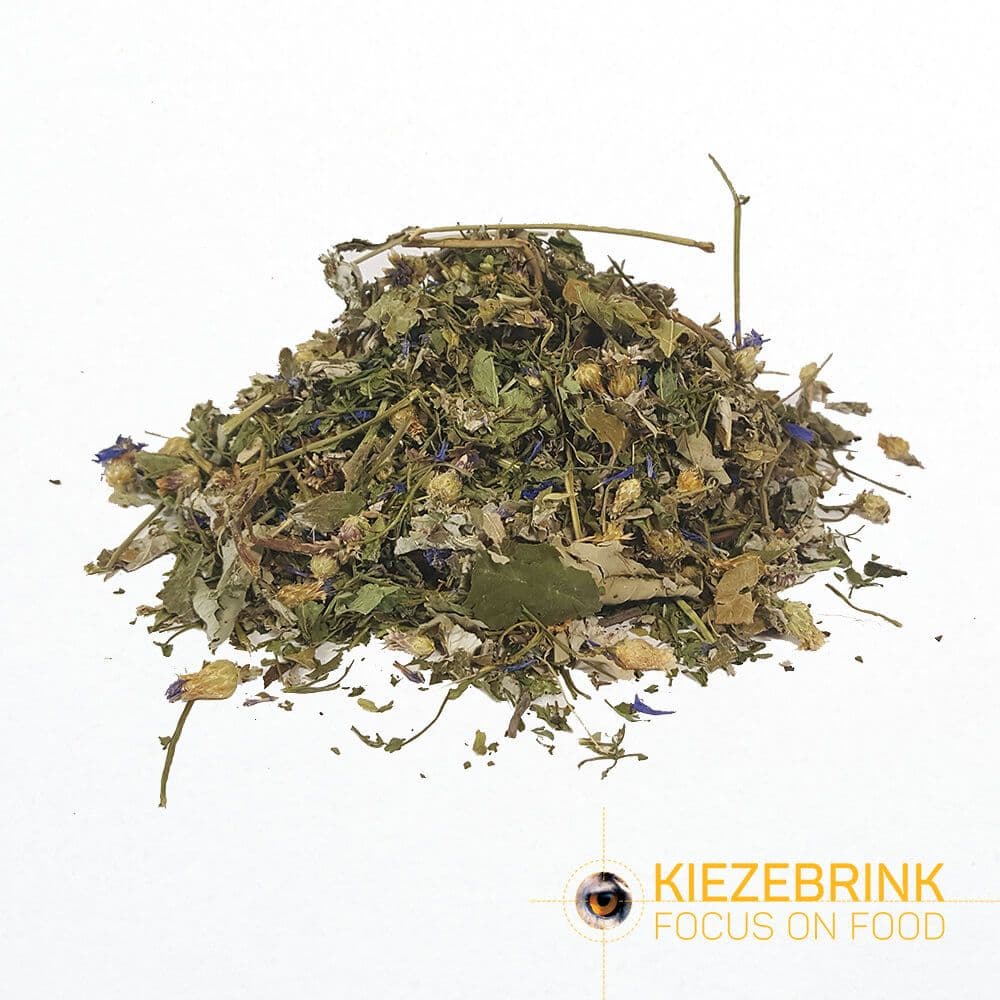
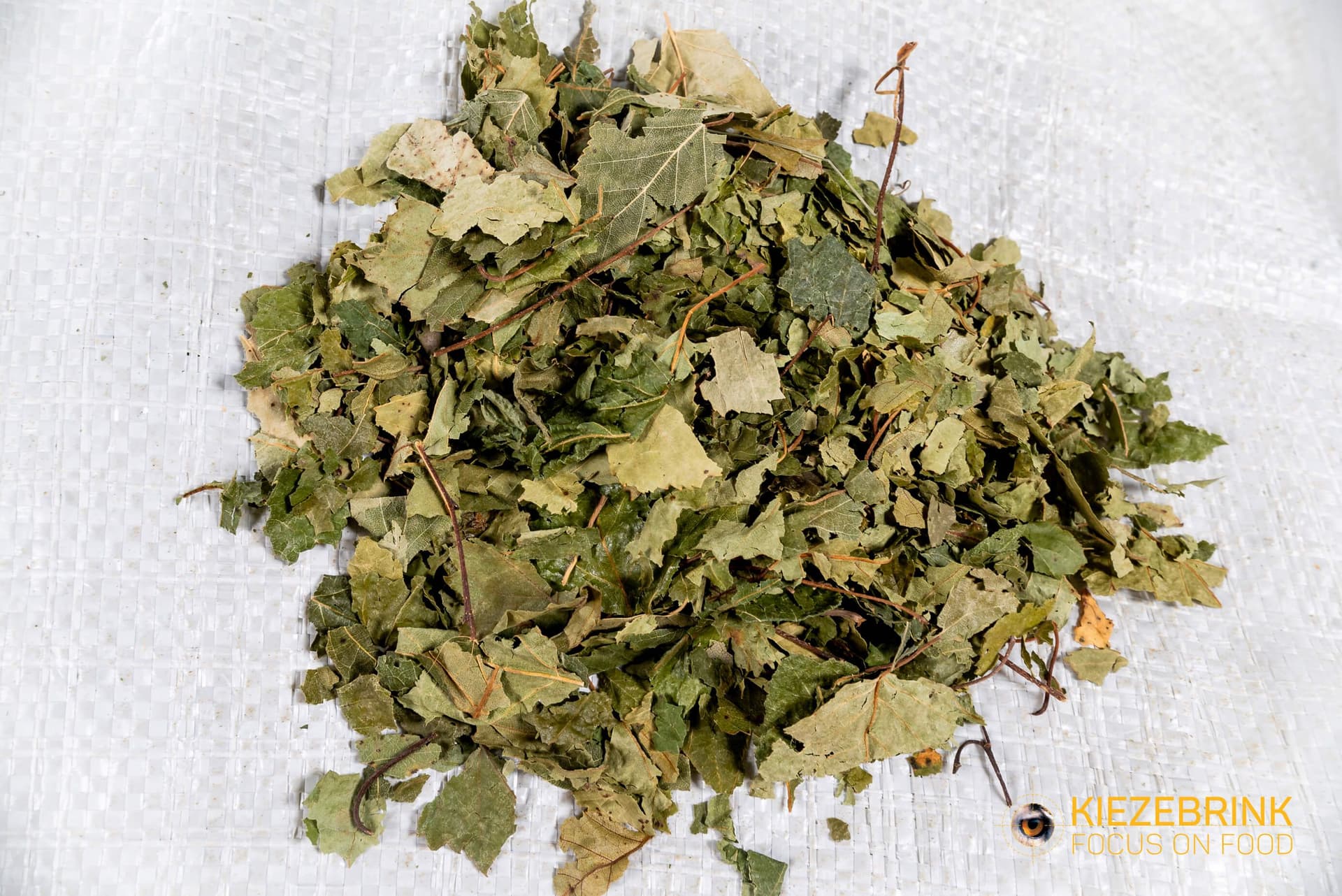
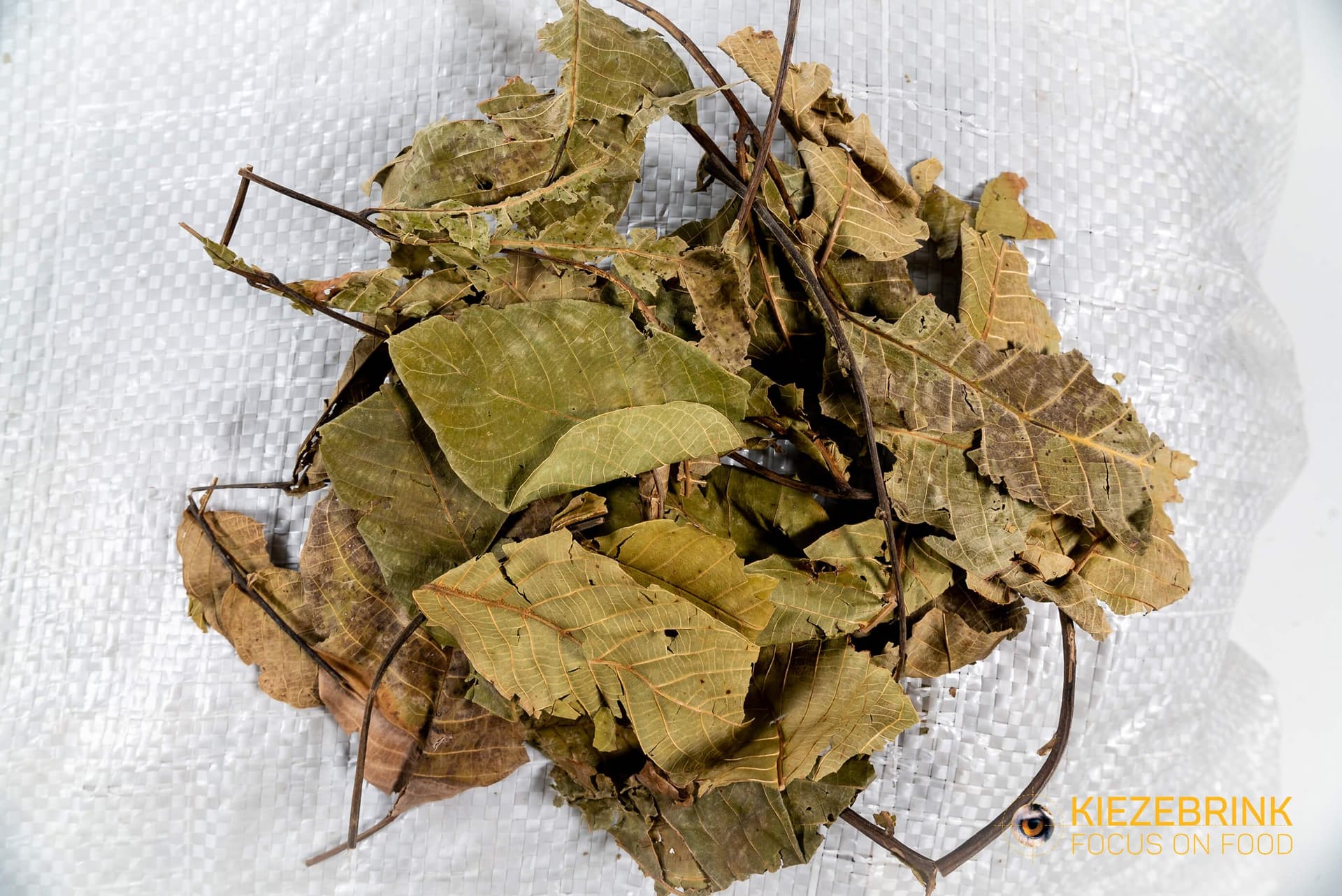
Variety of browse (willow, oak, chestnut or lime)
Variety of leafy vegetables
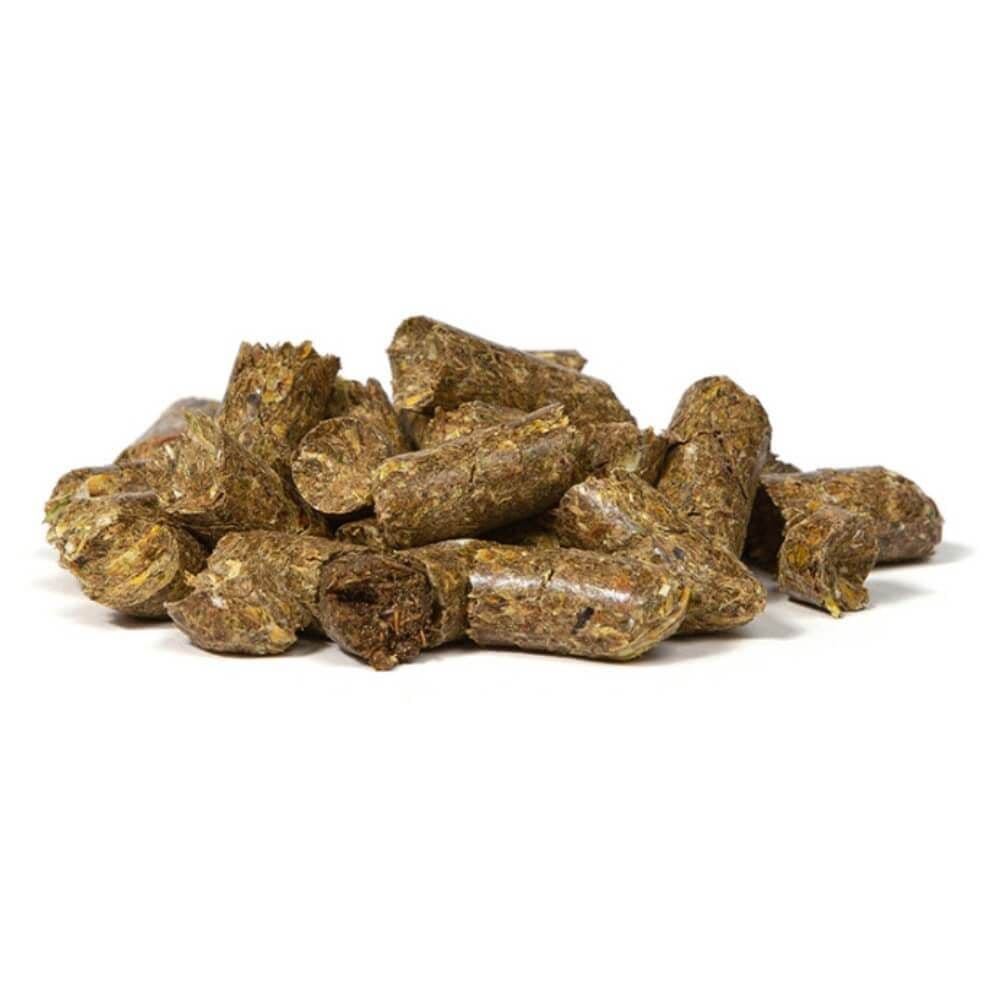
Pellets
Alfalfa hay
Fruits
An unbalanced diet may result in one of these more commonly occurring diseases/conditions:
Variety of browse (willow, oak, chestnut or lime)
Variety of leafy vegetables
Pellets
Alfalfa hay
Fruits
An unbalanced diet may result in one of these more commonly occurring diseases/conditions:
Recommended products for this animal